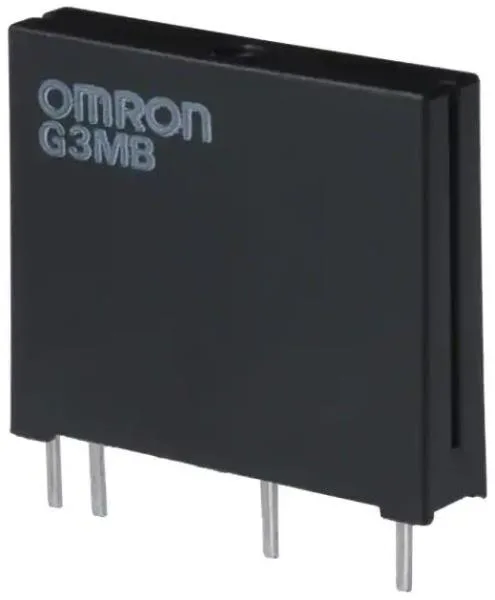
What lands on the bench when this code is sourced
The G3M-B202PL-DC12: For a panel builder the practical consequence of that 2.7 g figure is straightforward: it does not need a heatsink bracket, a DIN-rail adaptor, or a dedicated gland-plate cutout — it solders onto a logic or interface board and drops into the relay socket footprint already on the card, so the BOM line is really a component placement, not a chassis allocation.
Lifecycle read from the manufacturer record
The field on this code reads mature — neither flagged as active-new nor marked obsolete on Omron's own catalog data, which on a long-running SSR family like this usually means production continues against forecast orders rather than against open stock, so lead times settle around factory build windows rather than shelf-pull immediacy. For a procurement desk that translates into a quoted-to-order posture: the right move is to put the part number on the BOM and pull a current RFQ, because the answer to availability and price is only confirmed when the factory or authorised channel responds — the mature flag is not a same-day-ship signal, it is a confirmed-still-built signal.
Sourcing posture and what the RFQ needs to carry
For a category-sourcing review the gating items are standard: confirm the variant suffix against the datasheet (the trailing -DC12 string implies a 12 VDC control coil in Omron's SSR naming, but that detail belongs on the factory datasheet, not in this row), confirm RoHS/REACH status against the current declaration pack, and lock the BOM line before the next forecast window closes.