Ratings and what they mean for fit
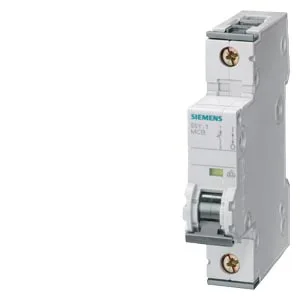
Rated 25 A at 35 °C and 22.98 A at 40 °C — the 40 °C figure is the one to use for a typical enclosed panel. At 50 °C it derates to 20.72 A, and at 60 °C to 18.22 A. If your panel ambient runs hot, size the upstream protection for the derated value, not the 25 A label. The 10 kA breaking capacity per EN 60898 is the standard for residential and light commercial distribution boards; for higher fault currents (e.g., 25 kA industrial), you would need an IEC 60947-2 rated MCB or a backup fuse. Overvoltage category III and pollution degree 3 mean it is rated for fixed installations inside a distribution board, not for outdoor or wet locations. Vibration resistance per IEC 60068-2-6: ±1 mm at 5 to 25 Hz and 50 m/s² at 25 to 150 Hz. That is the railway-relevant spec — it stays closed under the mechanical shock of a passing train or a track-side cabinet. The 18 mm width (1 modular unit) fits standard DIN-rail enclosures; the 76 mm depth and 70 mm installation depth mean it sits flush in a shallow distribution board without protruding into the gland plate area.
Mounting and integration
Snap-on mounting to 35 mm DIN rail per EN 60715, any orientation. The quick assembly system means it clips in and out without tools — useful for panel builders who need to swap units during commissioning. Combined terminals top and bottom accept copper conductors; the IP20 rating (with connected conductors) is standard for a distribution board interior — no special sealing required. Sealable allows the installer to lock the toggle position after testing, preventing unauthorized switching on a railway signaling or safety circuit.
